
Navigate Risks with Confidence
Risk awareness events, leadership & board training, skills refresh, and more — built from real-world experience.

Real Experience. Real Results.
After many years leading Enterprise Risk Management programs, I learned something surprising. Organizations are usually capable of identifying risks. But they are often challenged in having the conversations that lead to better decisions about those risks. That's why I founded The Risk Case Study Guy.
Our aim is to help individuals and organizations better navigate risk and uncertainty. We provide engaging and insightful services tailored to build our client's understanding, awareness, and buy-in of the practice of risk management.
Why Work With Us
Tailored Approach
We take the time to understand your needs before recommending a service.
Built from Practical Experience
Our experience comes from developing and leading successful, award-winning risk management programs.
Ready to Assist
Making risk management work for clients is our aim! We are here to help!
Our Services
We offer online and onsite training, presentations, and consultations responsive to your needs, designed to help you and your organization elevate your risk management capability. Our approach makes learning about risk management interesting, relevant, and accessible!
Don't become your own case study!
Let us help you build the risk awareness your organization needs.
Get in Touch
Sample of Case Studies & Presentations
The Gray Rhino Over the Potomac: When Known Risks Become Catastrophes
The tragic January 2025 midair collision near Reagan National Airport, which claimed 67 lives, offers sobering lessons about the consequences of known risks left insufficiently addressed. Drawing on findings from the NTSB and U.S. Army investigations, this case study examines how repeated warning signs, fragmented risk information, and weaknesses in oversight and accountability allowed dangerous conditions to persist. Using Michele Wucker's Gray Rhino concept as a framework, the case explores three critical lessons: the dangers of becoming complacent about familiar risks, the importance of connecting warning signals across organizational boundaries, and the need to translate risk awareness into timely action.
It Wasn't Just the Logo
Cracker Barrel's rebranding controversy is a lesson in strategy, risk, and board governance. A modernization effort quickly became a reputational and cultural flashpoint — showing how strategic decisions can collide with customer identity, social-media amplification, and a polarized environment. The case examines how boards can challenge strategic assumptions, recognize the value of emotional assets, evaluate warnings objectively, and establish "off-ramps" before major commitments are made — and why good governance means being willing to change course when assumptions are failing.
Theft at the Louvre
Stunned tourists watched in disbelief in October 2025 as more than $100 million in gold, diamonds, and emeralds were stolen in broad daylight from the Louvre. Despite shocking events, Louvre staff had been aware of security vulnerabilities for decades — misplaced priorities, underestimated risks, ineffective governance, and obsolete protocols all contributed.
The Collapse of the Baltimore Key Bridge
On March 26, 2024, the containership Dali lost power and collided with the Francis Scott Key Bridge, causing its collapse and the deaths of six workers. For over two decades, a safety committee had warned of the growing dangers posed by larger cargo ships — warnings that went unheeded.
The Fire at Notre Dame Cathedral
Preservationists developed a complex, comprehensive risk prevention system for the centuries-old Cathedral. It failed spectacularly before a worldwide audience in April 2019. Faulty assumptions, complacency, and overconfidence contributed to this near calamity.
The Collapse of Silicon Valley Bank
The second largest bank failure in U.S. history occurred in March 2023, triggered by a classic run on Silicon Valley Bank. Poor risk management, a concentrated uninsured depositor base, and oversight lapses by the Federal Reserve and FDIC all played a role.
The Maryland 529 Scandal
Tens of thousands of Maryland parents relied on the state's 529 plan to save for college. In 2021, software mistakes led to incorrect account balances, frozen accounts, and surprise reductions — with no advance notice. The mismanagement ultimately led to the abolishment of the entire Board of Directors.
"Snow-verwhelmed"
Hundreds of vehicles and thousands of people were stranded on I-95 in Virginia overnight in January 2022 due to a complete breakdown in emergency preparedness during a predicted snowstorm. Unrecognized changes in the risk landscape and failures in situational awareness compounded the chaos.
The Fake Accounts Scandal at Wells Fargo Bank
Despite an extensive Enterprise Risk Management program, leaders at Wells Fargo intentionally overlooked warnings in pursuit of directives and incentives that led to thousands of harmed customers and hundreds of wrongfully terminated employees. It took years to recover and revamp the bank's risk culture.
When Governance Fades: Risk, Oversight, and Learning from Crisis
What happens when organizations begin to forget the lessons of their last crisis — before the next one arrives? Using the IRS Oversight Board as a case study, this interactive course explores how governance mechanisms gradually lose effectiveness and how warning signals remain disconnected across organizational boundaries.
Books by Thomas A. Brandt
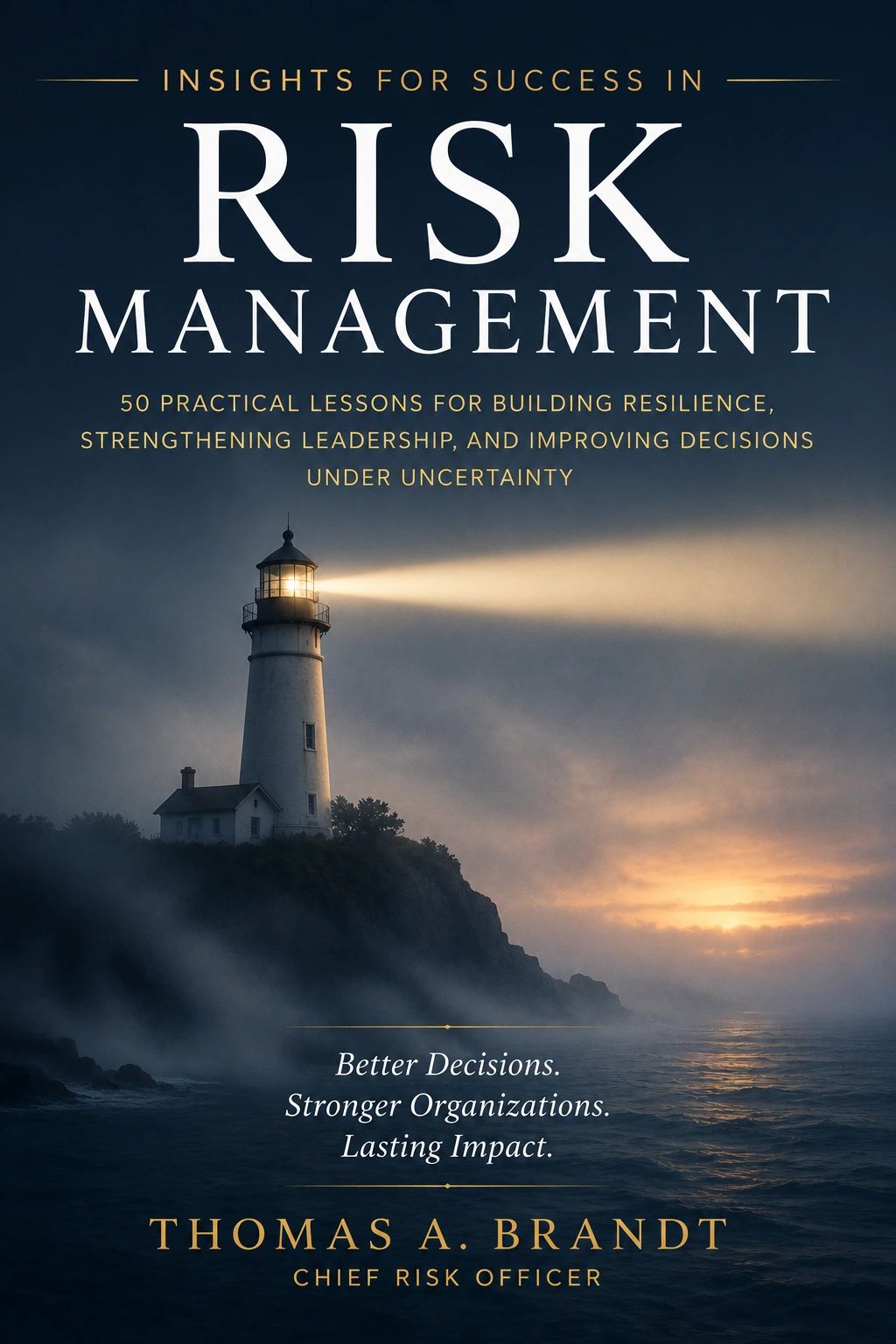
Insights for Success in Risk Management
Thomas A. Brandt, Chief Risk Officer
50 practical lessons for building resilience, strengthening leadership, and improving decisions under uncertainty. Better Decisions. Stronger Organizations. Lasting Impact.
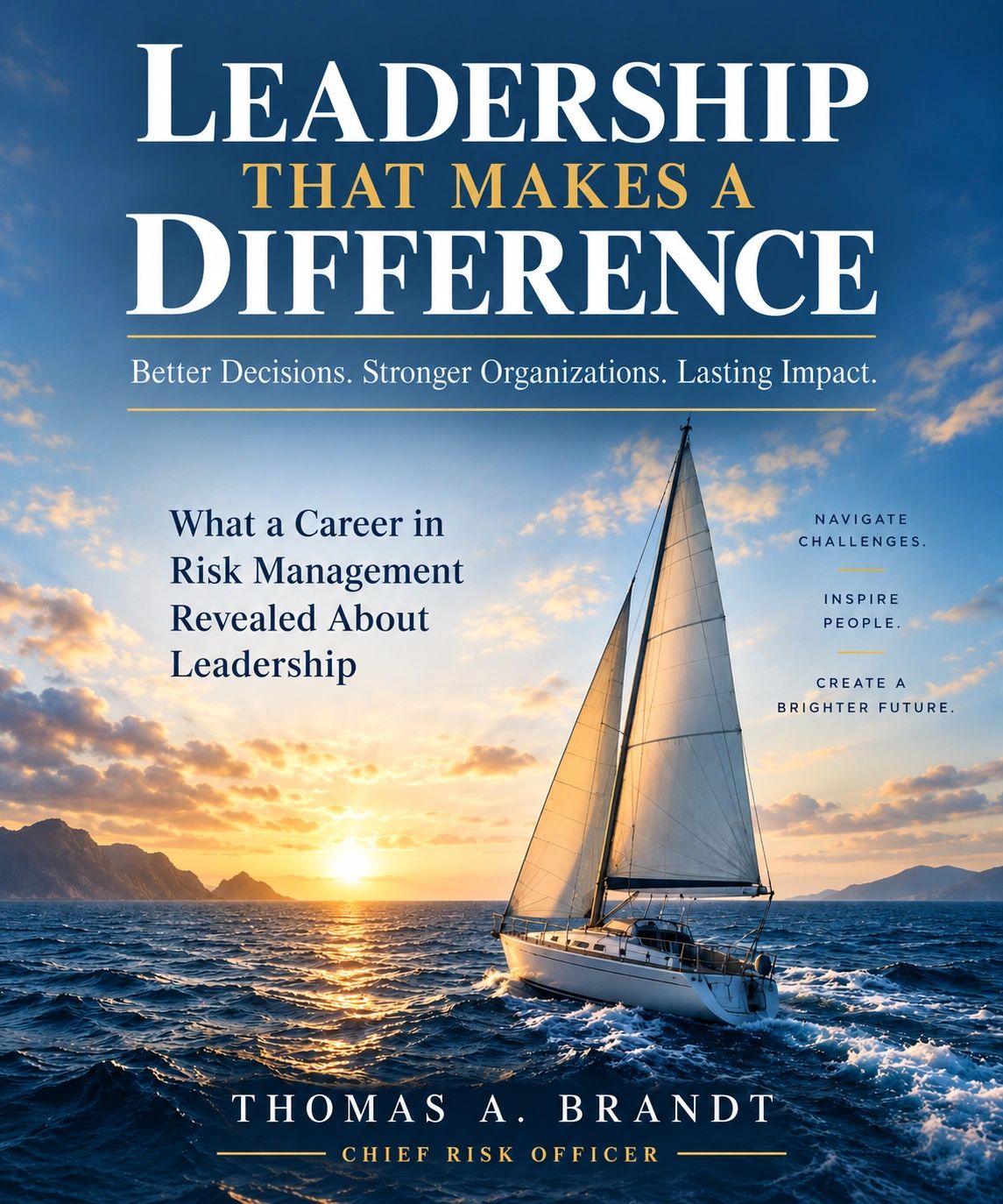
Leadership That Makes a Difference
Thomas A. Brandt, Chief Risk Officer
What a Career in Risk Management Revealed About Leadership. Navigate Challenges. Inspire People. Create a Brighter Future.
Contact Us for Training, Presentations or Consultations
Drop us a line!
Ready to take the next step? Join us and discover what we can do for you.
Whether you're looking to elevate your team's risk awareness, prepare your board, or bring a compelling case study presentation to your organization — we're ready to help.